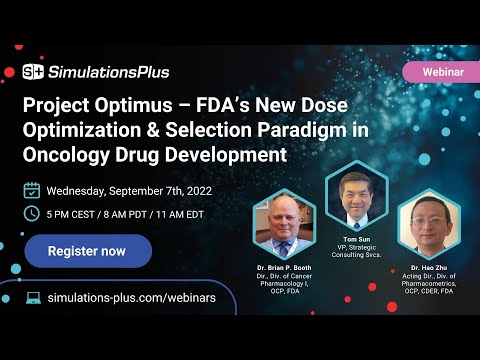
Project Optimus – FDA Dose Optimization & Selection in Oncology
عدد الدروس : 1 عدد ساعات الدورة : 01:05:36 شهادة معتمدة : نعم التسجيل في الدورة للحصول على شهادةللحصول على شهادة
- 1- التسجيل
- 2- مشاهدة الكورس كاملا
- 3- متابعة نسبة اكتمال الكورس تدريجيا
- 4- بعد الانتهاء تظهر الشهادة في الملف الشخصي الخاص بك
قائمة الدروس
عن الدورة
his course introduces Project Optimus, the FDA’s innovative initiative for dose optimization and selection in oncology drug development. Traditional oncology drug trials often focus on the maximum tolerated dose (MTD), which can lead to unnecessary toxicity for patients. Project Optimus shifts the paradigm toward identifying optimal doses that balance efficacy and safety.
The course begins by explaining the rationale behind Project Optimus and how it addresses limitations of conventional dose-finding methods. Learners explore strategies for designing oncology clinical trials that prioritize patient safety, reduce adverse effects, and ensure therapeutic effectiveness.
Key topics include dose-ranging studies, model-based approaches, adaptive trial designs, and early-phase biomarkers to guide dose selection. The course also emphasizes regulatory expectations from the FDA, highlighting how Project Optimus encourages sponsors to integrate robust dose optimization plans early in clinical development.
Through real-world examples, learners see how this framework impacts trial design, decision-making, and overall drug development timelines. By the end of the course, participants will understand the principles of Project Optimus, its implications for oncology drug development, and the methods used to optimize dose selection while maintaining patient safety. This course is ideal for clinical researchers, oncologists, regulatory professionals, and pharmaceutical scientists.


