Chapter 9: International Trade | Global Economics Essentials
عدد الدروس : 1 عدد ساعات الدورة : 01:01:03 شهادة معتمدة : نعم التسجيل في الدورة للحصول على شهادةللحصول على شهادة
- 1- التسجيل
- 2- مشاهدة الكورس كاملا
- 3- متابعة نسبة اكتمال الكورس تدريجيا
- 4- بعد الانتهاء تظهر الشهادة في الملف الشخصي الخاص بك
قائمة الدروس
عن الدورة
bal economy, enabling countries to specialize in producing goods and services where they have a comparative advantage. This chapter introduces the key theories of trade, including absolute advantage, comparative advantage, and the Heckscher-Ohlin model. You will learn how these principles explain why nations engage in trade and how they gain from specialization.
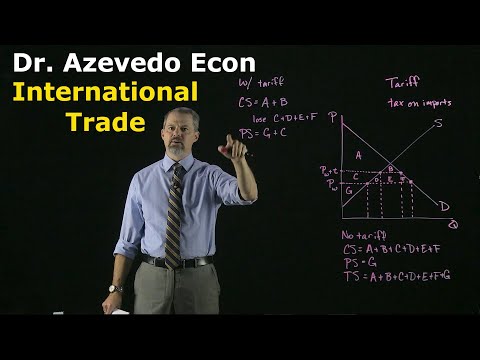
The course also examines trade policies, such as tariffs, quotas, and trade agreements, and discusses their effects on domestic markets and international relations. Students will understand balance of payments, exchange rates, and trade deficits and learn how global events can influence trade patterns. Case studies highlight real-world trade scenarios, including international supply chains, free trade zones, and multinational business operations.
By the end of this chapter, learners will have a strong grasp of the benefits and risks of international trade, be able to analyze trade policies critically, and understand the e


