When to Use Agile – and When Not to Use Agile (Project Management Guide)
عدد الدروس : 1 عدد ساعات الدورة : 00:07:42 شهادة معتمدة : نعم التسجيل في الدورة للحصول على شهادةللحصول على شهادة
- 1- التسجيل
- 2- مشاهدة الكورس كاملا
- 3- متابعة نسبة اكتمال الكورس تدريجيا
- 4- بعد الانتهاء تظهر الشهادة في الملف الشخصي الخاص بك
قائمة الدروس
عن الدورة
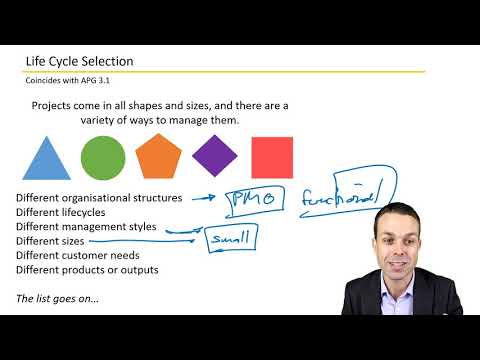
This guide explains when Agile methodology should be used in project management and when it may not be the best approach. Agile is a flexible, iterative framework that emphasizes collaboration, continuous feedback, and incremental delivery, making it highly effective in dynamic and fast-changing environments.
Agile is best suited for projects where requirements are unclear or likely to evolve over time. It is commonly used in software development, product design, digital services, and innovation-driven environments where customer feedback plays a key role in shaping the final outcome. Agile allows teams to adapt quickly, improve continuously, and deliver value in smaller, manageable increments.
However, Agile is not always the ideal solution. In highly regulated industries, fixed-scope projects, or environments where requirements are clearly defined from the beginning, traditional project management approaches such as Waterfall may be more appropriate. Projects involving strict documentation, compliance, or fixed budgets often require more structured planning and less flexibility.
The guide also highlights the importance of selecting the right methodology based on project complexity, stakeholder expectations, and risk levels. Understanding when to use Agile—and when not to—helps organizations improve efficiency, reduce risks, and achieve better project outcomes.
By the end of this lesson, learners gain clarity on selecting the most suitable project management approach based on real-world conditions and bus


