Agile Sprint Planning, Scrum Workflows, and User Story Fundamentals
عدد الدروس : 7 عدد ساعات الدورة : 01:48:12 شهادة معتمدة : نعم التسجيل في الدورة للحصول على شهادةللحصول على شهادة
- 1- التسجيل
- 2- مشاهدة الكورس كاملا
- 3- متابعة نسبة اكتمال الكورس تدريجيا
- 4- بعد الانتهاء تظهر الشهادة في الملف الشخصي الخاص بك
قائمة الدروس
عن الدورة
This series provides a practical introduction to Agile project management, Scrum workflows, sprint planning, and effective requirement writing techniques used in modern development environments. It is designed for anyone interested in understanding how Agile teams collaborate, organize tasks, and deliver products more efficiently.
The content begins with a complete overview of Agile methodology and its core principles. It explains how Agile focuses on flexibility, continuous improvement, collaboration, and customer satisfaction. Different Agile frameworks such as Scrum, Kanban, Lean, XP, and Crystal are introduced, helping viewers understand how organizations choose approaches that match their project goals and team structures.
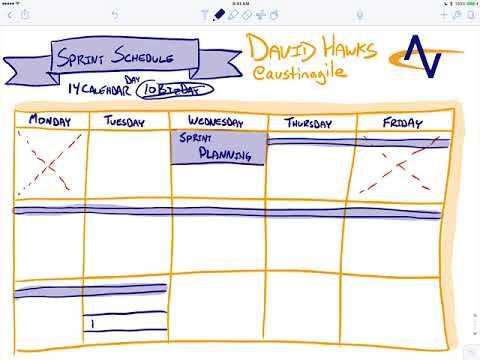
A major focus of the series is Scrum and the structure of Agile sprint ceremonies. It explains the purpose of Sprint Planning, Daily Stand-ups, Sprint Reviews, and Retrospectives, showing how each meeting contributes to team alignment and project progress. Viewers learn how Agile teams organize work into short development cycles called sprints, allowing faster delivery and continuous feedback throughout the product lifecycle.
The series also compares Scrum and Kanban, two of the most popular Agile frameworks. It highlights the differences between time-based sprint execution and continuous workflow management. Through practical examples, viewers understand how Scrum supports structured team collaboration while Kanban improves visibility and flow efficiency using visual boards and work-in-progress limits.
Another important topic covered is productivity and performance in Agile environments. The content explores how Agile principles improve communication, reduce wasted effort, and help teams deliver higher-quality results in shorter timeframes. It demonstrates how iterative planning and continuous improvement allow organizations to adapt quickly to changing requirements and customer expectations.
User stories are another key element of the series. The content explains how to write clear and effective user stories using essential components such as the user role, goal, and expected benefit. It also introduces best practices for creating meaningful acceptance criteria and organizing requirements around user value rather than technical tasks. These techniques help teams maintain clarity, improve collaboration, and deliver features that align with business and customer needs.


