Transboundary Water Cooperation & Global Water Security Course – World Bank Water Management
عدد الدروس : 10 عدد ساعات الدورة : 00:19:02 شهادة معتمدة : نعم التسجيل في الدورة للحصول على شهادةللحصول على شهادة
- 1- التسجيل
- 2- مشاهدة الكورس كاملا
- 3- متابعة نسبة اكتمال الكورس تدريجيا
- 4- بعد الانتهاء تظهر الشهادة في الملف الشخصي الخاص بك
قائمة الدروس
عن الدورة
his course explores global water security and the importance of cooperation between countries that share water resources. It focuses on how transboundary water systems are managed to ensure fair access, reduce conflicts, and support sustainable development.
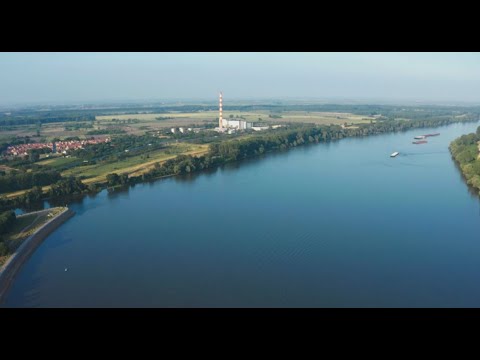
The course begins by explaining the concept of transboundary water cooperation, where rivers, lakes, and groundwater systems cross national borders. It highlights why collaboration between countries is essential for managing shared water resources effectively and avoiding disputes.
Learners will study key water management challenges such as water storage, declining water availability, and the need for resilient infrastructure. The course also explains how water storage systems play a critical role in balancing supply and demand, especially in regions affected by climate variability.
A major focus is placed on flood protection and irrigation systems, showing how improved water management can enhance agriculture, reduce risks, and support rural livelihoods. The course also presents real-world examples of how water projects improve economic opportunities, including empowering communities and supporting sustainable farming.
In addition, learners will explore digital water management approaches that use technology to improve monitoring, planning, and decision-making in water systems.
By the end of this course, learners will understand how international cooperation, infrastructure development, and technology work together to improve global water security and sustainable water resource management.


