Sewer Systems & Wastewater Engineering Course – How Sewage Systems and Treatment Work
عدد الدروس : 13 عدد ساعات الدورة : 05:03:48 شهادة معتمدة : نعم التسجيل في الدورة للحصول على شهادةللحصول على شهادة
- 1- التسجيل
- 2- مشاهدة الكورس كاملا
- 3- متابعة نسبة اكتمال الكورس تدريجيا
- 4- بعد الانتهاء تظهر الشهادة في الملف الشخصي الخاص بك
قائمة الدروس
عن الدورة
This course provides a detailed introduction to sewer systems and wastewater engineering, explaining how modern cities collect, transport, and treat sewage safely and efficiently. It is designed for learners interested in civil engineering, environmental engineering, and urban infrastructure systems.
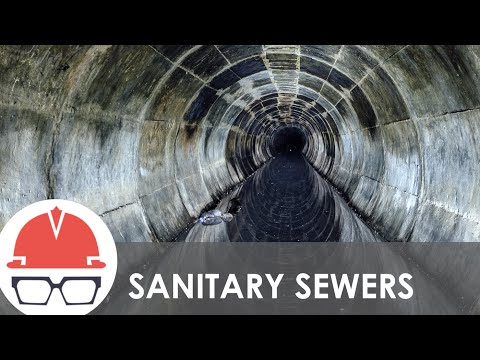
The course begins by explaining how sewer systems function, including how wastewater flows through underground pipelines using gravity and pumping systems. It highlights the importance of designing efficient networks that prevent blockages, overflows, and environmental contamination.
Learners will explore how sewage is pumped when gravity alone is not sufficient, and how pumping stations are designed and constructed to move wastewater across different elevations. The course also explains the role of gravity-based systems in reducing energy use and improving efficiency in wastewater transport.
In addition, the course introduces wastewater treatment concepts, including how sewage is cleaned and processed before being safely released into the environment or reused. It also covers biological and chemical processes involved in treating wastewater.
A key topic in the course is modern monitoring techniques, including how wastewater can be used to track diseases and public health trends within communities.
Finally, the course showcases real-world construction of sewage infrastructure, helping learners understand how large-scale systems are built and maintained.
By the end of this course, learners will understand the full lifecycle of wastewater systems and their importance in protecting public health and the environment.


