Introduction to Scrum Framework and Agile Project Management
عدد الدروس : 1 عدد ساعات الدورة : 00:58:16 شهادة معتمدة : نعم التسجيل في الدورة للحصول على شهادةللحصول على شهادة
- 1- التسجيل
- 2- مشاهدة الكورس كاملا
- 3- متابعة نسبة اكتمال الكورس تدريجيا
- 4- بعد الانتهاء تظهر الشهادة في الملف الشخصي الخاص بك
قائمة الدروس
عن الدورة
This series provides a clear and structured introduction to the Scrum framework, one of the most widely used approaches in Agile project management. It explains how Scrum helps teams manage complex work by breaking it into smaller, manageable cycles and focusing on continuous improvement, collaboration, and delivering value to customers.
The content begins with an overview of Scrum and its foundation in Agile principles. Scrum is designed to help teams work in uncertain and changing environments by using short iterations called sprints. Instead of planning everything upfront, Scrum encourages adaptive planning, regular feedback, and incremental delivery of working products.
A key focus of the series is the structure of Scrum teams and how they collaborate. Scrum defines three main roles: the Product Owner, the Scrum Master, and Developers. The Product Owner is responsible for defining priorities and ensuring the team delivers maximum value. The Scrum Master supports the team by facilitating Scrum practices and removing obstacles. Developers are responsible for building and delivering the product increment during each sprint.
The series also explains Scrum events that create rhythm and structure in Agile workflows. Sprint Planning is used to define goals and select work for the sprint. Daily Scrum meetings help teams synchronize progress and identify blockers. Sprint Reviews allow stakeholders to inspect completed work and provide feedback, while Sprint Retrospectives focus on continuous improvement by analyzing what went well and what can be improved.
Another important concept covered is Scrum artifacts, which provide transparency and visibility into the work being done. The Product Backlog is a prioritized list of all desired work on the product. The Sprint Backlog contains selected items for the current sprint along with a plan to deliver them. The Increment represents the completed work that meets the Definition of Done and is potentially ready for release.
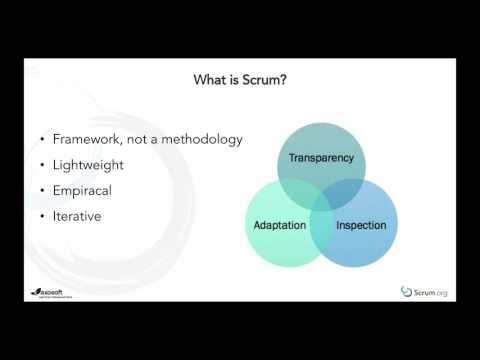
The series also highlights key Scrum principles such as transparency, inspection, and adaptation. These principles ensure that teams regularly review their progress, learn from experience, and adjust their plans accordingly. This makes Scrum highly effective in dynamic environments where requirements often change.
In addition, the content emphasizes the importance of collaboration, communication, and accountability within Agile teams. Scrum encourages teams to work closely with stakeholders, deliver frequent updates, and continuously improve both product quality and team performance.


