Complete Agile Methodology and Scrum Management Guide
عدد الدروس : 15 عدد ساعات الدورة : 14:30:57 شهادة معتمدة : نعم التسجيل في الدورة للحصول على شهادةللحصول على شهادة
- 1- التسجيل
- 2- مشاهدة الكورس كاملا
- 3- متابعة نسبة اكتمال الكورس تدريجيا
- 4- بعد الانتهاء تظهر الشهادة في الملف الشخصي الخاص بك
قائمة الدروس
عن الدورة
This comprehensive Agile methodology series provides an in-depth understanding of modern software development practices, Scrum management techniques, Agile planning strategies, and continuous improvement principles used by successful product and development teams worldwide.
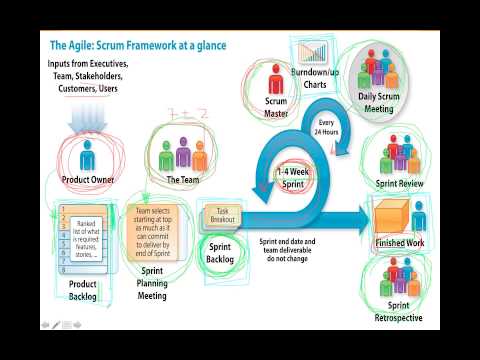
The series begins with a detailed introduction to the Scrum framework, explaining how Agile teams organize work using iterative development cycles called sprints. It introduces essential Scrum roles such as the Product Owner, Scrum Master, and Development Team, while also explaining key Scrum ceremonies including Sprint Planning, Daily Stand-ups, Sprint Reviews, and Retrospectives. These practices help teams maintain collaboration, improve productivity, and deliver customer value consistently.
Another important focus of the series is feedback loops and continuous improvement. Agile environments rely heavily on regular feedback from stakeholders, customers, and team members to identify issues early, improve product quality, and adapt quickly to changing requirements. The content explains how iterative feedback supports faster decision-making and more efficient product development.
User stories and backlog management are covered extensively throughout the series. Viewers learn how to write effective user stories that clearly describe user needs and business goals. The content explains how product backlogs are created, prioritized, refined, and maintained to ensure development teams focus on delivering the most valuable features first. Acceptance criteria are also discussed in detail, showing how teams define completion standards and ensure requirements are fully understood before implementation begins.
The series also explores Agile estimation and planning techniques. Topics such as story points, sprint estimation, velocity tracking, and release planning help teams forecast workloads and improve project predictability. Burn-down charts are introduced as visual tools for tracking sprint progress and monitoring remaining work throughout development cycles.


