How to Draw a Fashion Figure: Step-by-Step Tutorial for Beginners
عدد الدروس : 1 عدد ساعات الدورة : 00:16:52 شهادة معتمدة : نعم التسجيل في الدورة للحصول على شهادةللحصول على شهادة
- 1- التسجيل
- 2- مشاهدة الكورس كاملا
- 3- متابعة نسبة اكتمال الكورس تدريجيا
- 4- بعد الانتهاء تظهر الشهادة في الملف الشخصي الخاص بك
قائمة الدروس
عن الدورة
Drawing a fashion figure is the first essential skill in fashion illustration and fashion design. It helps designers communicate ideas visually before creating real garments. This beginner-friendly guide explains how to draw a fashion figure step by step using simple techniques and the standard fashion proportion method.
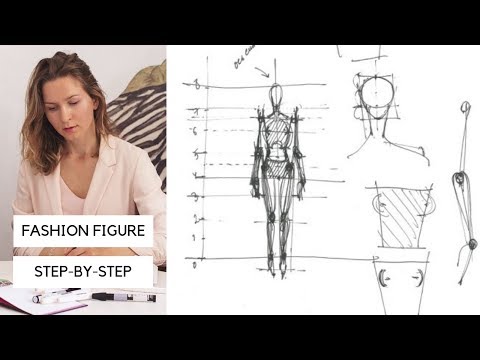
The process begins with understanding fashion proportions. Unlike realistic human anatomy, fashion figures are elongated to highlight clothing and style. The most common method used is the 10-head proportion system, where the entire body is divided into ten equal parts based on the height of the head. This creates a tall, elegant figure suitable for fashion illustration.
The first step is drawing the basic framework of the figure. Start with a simple vertical line to represent the body’s balance and posture. Then divide the line into ten equal sections. Each section represents different parts of the body such as the head, chest, waist, hips, and legs. This structure helps maintain correct proportions throughout the sketch.
Next, block out the basic shapes of the body. Use simple geometric forms like ovals and rectangles to represent the head, torso, and limbs. This step helps establish the pose and body alignment before adding details. It is important to keep the structure light and flexible at this stage.
After building the structure, focus on defining the pose. Fashion figures often use dynamic and expressive poses to showcase clothing designs. Shift weight onto one leg, tilt the shoulders, and adjust the hips to create natural movement. This adds life and style to the sketch.
Once the pose is established, refine the body shape. Add curves to define shoulders, waist, hips, arms, and legs. Fashion figures are usually stylized to appear taller and slimmer than real human proportions, emphasizing elegance and clothing presentation.
After completing the figure structure, begin adding clothing design ideas. Fashion sketches are used to display outfits such as dresses, jackets, pants, and accessories. Pay attention to how fabric drapes over the body and how folds appear based on movement and pose.
Line quality is also very important in fashion sketching. Clean, confident lines make the drawing look professional and easy to read. Avoid overly messy or unclear strokes and focus on smooth, intentional sketching.
Finally, add light shading or details to enhance depth and realism. Shading helps define form, fabric texture, and movement, making the fashion figure more visually appealing and expressive.
By following these step-by-step techniques, beginners can learn how to draw fashion figures with correct proportions and confidence. This foundation is essential for anyone interested in fashion design, illustration, or building a creative portfolio.


