Beginner Guide to Fluid Simulations in Blender
عدد الدروس : 1 عدد ساعات الدورة : 00:54:02 شهادة معتمدة : نعم التسجيل في الدورة للحصول على شهادةللحصول على شهادة
- 1- التسجيل
- 2- مشاهدة الكورس كاملا
- 3- متابعة نسبة اكتمال الكورس تدريجيا
- 4- بعد الانتهاء تظهر الشهادة في الملف الشخصي الخاص بك
عن الدورة
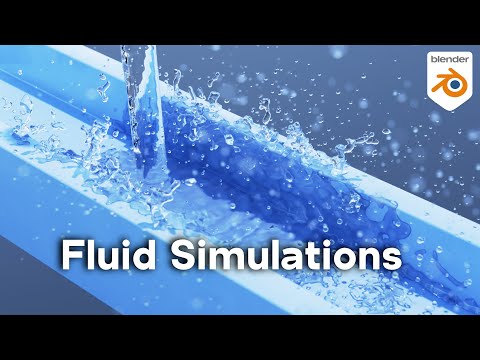
Fluid simulation is one of the most powerful features inside Blender for creating realistic liquid effects and dynamic animations. This series is designed to help beginners understand the complete workflow of fluid simulations in Blender, from basic setup to advanced liquid behaviors used in professional animation, visual effects, and motion graphics projects.
The content begins with an introduction to Blender’s fluid simulation system and explains how liquid physics work inside the software. Viewers learn how to create fluid domains, flow objects, and collision objects while understanding the relationship between simulation resolution, performance, and visual quality.
The tutorials cover essential fluid settings including viscosity, surface tension, gravity, velocity, mesh generation, and simulation caching. Each setting is explained through practical examples to help users understand how different parameters affect fluid movement and realism. Beginners learn how to create water pours, splashes, waves, dripping liquids, and container-based simulations with smooth and believable motion.
Collision handling and interaction between liquids and objects are also important topics throughout the series. Users learn how to create realistic interactions between fluids and animated objects while avoiding common simulation issues such as clipping, unstable movement, or mesh artifacts. The content demonstrates techniques for improving fluid accuracy and controlling liquid behavior for different creative projects.
The series also explores advanced workflow techniques including foam generation, bubbles, spray particles, and secondary effects to enhance realism. Viewers learn how to optimize simulations for better performance, reduce bake times, and manage heavy scenes efficiently while maintaining high visual quality.


