Hard Surface Modeling in Blender | HardOps, Boxcutter & Decal Machine Workflow
عدد الدروس : 1 عدد ساعات الدورة : 01:30:32 شهادة معتمدة : نعم التسجيل في الدورة للحصول على شهادةللحصول على شهادة
- 1- التسجيل
- 2- مشاهدة الكورس كاملا
- 3- متابعة نسبة اكتمال الكورس تدريجيا
- 4- بعد الانتهاء تظهر الشهادة في الملف الشخصي الخاص بك
قائمة الدروس
عن الدورة
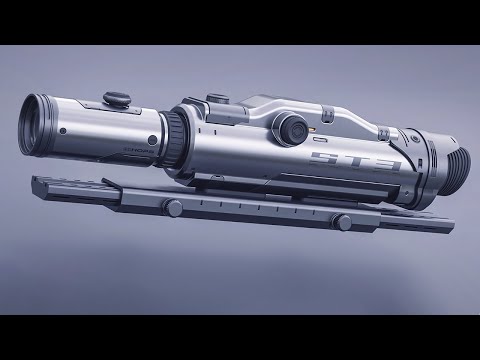
This Blender tutorial focuses on hard surface modeling, a technique used to create mechanical objects, weapons, vehicles, props, and sci-fi assets with clean, precise geometry. Unlike organic modeling, hard surface work relies on sharp edges, controlled forms, and structured topology to achieve realistic manufactured designs.
The workflow begins with the concept of blockout modeling. You start by building a simple base shape using primitive objects such as cubes, cylinders, and planes. This stage is all about defining proportions and overall design before adding any fine details. Keeping the base clean ensures better control over the final model.
A major part of this workflow involves using advanced add-ons like HardOps and Boxcutter. HardOps helps streamline boolean workflows, cleanup, and modifier management, while Boxcutter allows fast and intuitive cutting operations directly on models. Together, they significantly speed up the hard surface modeling process and improve precision.
Boolean modeling plays a key role in this technique. Instead of manually sculpting every detail, you combine and subtract shapes to create complex mechanical forms. This allows for faster iteration and more controlled design changes without destroying the base mesh.
You also learn how to maintain clean topology during boolean operations. Proper use of modifiers like bevel and weighted normals helps smooth shading and prevent visual artifacts. Clean shading is essential for making hard surface models look professional and realistic.
Another important tool covered in this workflow is Decal Machine. Decals are used to add surface details such as screws, panels, warning labels, vents, and surface imperfections without increasing mesh complexity. This allows you to create highly detailed models while keeping geometry lightweight and optimized.
The tutorial also explores edge control and surface definition. Beveling sharp edges, controlling smoothing groups, and managing normal direction are essential for achieving realistic manufactured surfaces. These techniques ensure that lighting behaves correctly across the model.


