Blender Rigging Tips | Make Your Character Rig Easier to Use
عدد الدروس : 1 عدد ساعات الدورة : 01:02:25 شهادة معتمدة : نعم التسجيل في الدورة للحصول على شهادةللحصول على شهادة
- 1- التسجيل
- 2- مشاهدة الكورس كاملا
- 3- متابعة نسبة اكتمال الكورس تدريجيا
- 4- بعد الانتهاء تظهر الشهادة في الملف الشخصي الخاص بك
قائمة الدروس
عن الدورة
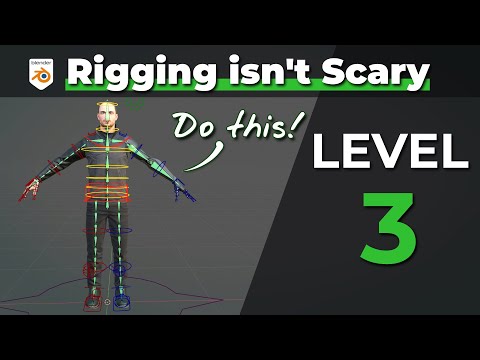
This rigging lesson focuses on an often overlooked but extremely important part of character rigging: usability. A rig is not just about making a character move—it is about making animation easy, fast, and intuitive for the animator. Even a technically correct rig can become frustrating if it is not designed with usability in mind.
The lesson begins by emphasizing the importance of clean organization. A well-structured rig uses clear naming conventions for bones and controls so that animators can quickly understand what each part does. Without proper naming, even simple animation tasks become confusing and slow.
Another key improvement is control separation. Instead of selecting and rotating deformation bones directly, animators use dedicated control bones. These control objects are designed specifically for animation and keep the rig clean, predictable, and safe from accidental mesh deformation.
You also learn about simplifying the interface of the rig. A good rig hides unnecessary complexity and only exposes the controls that are actually needed for animation. This reduces clutter and helps animators focus on posing rather than searching through complicated bone structures.
Hierarchy management is also essential for usability. Proper parent-child relationships ensure that moving a main control, such as the root or pelvis, affects the entire body correctly. At the same time, smaller controls like hands and feet remain independent when needed.


