Blender Basics for Beginners | Shading, Texturing, and UV Mapping Explained
عدد الدروس : 1 عدد ساعات الدورة : 01:18:36 شهادة معتمدة : نعم التسجيل في الدورة للحصول على شهادةللحصول على شهادة
- 1- التسجيل
- 2- مشاهدة الكورس كاملا
- 3- متابعة نسبة اكتمال الكورس تدريجيا
- 4- بعد الانتهاء تظهر الشهادة في الملف الشخصي الخاص بك
عن الدورة
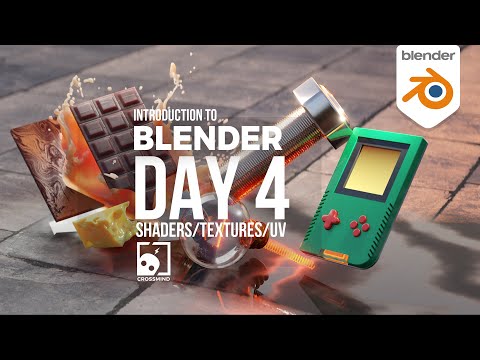
After learning how to model and modify objects in Blender, the next important step is understanding how to make them look realistic through shading and texturing. This stage focuses on how surfaces react to light and how visual details are added to 3D models using materials and images.
Shading in Blender refers to how light interacts with an object’s surface. By adjusting shaders and material properties, you can control how shiny, rough, smooth, or metallic an object appears. This helps transform a simple model into something more visually appealing and realistic.
Texturing adds another layer of detail by applying images or patterns to your 3D models. Instead of relying only on colors, textures allow you to simulate real-world surfaces like wood, metal, fabric, or stone. These textures are applied through materials and can dramatically improve the quality of your design.
To correctly apply textures, UV mapping is used. UV mapping is the process of unwrapping a 3D model into a 2D layout so that textures can be placed accurately. This step ensures that images fit properly on the model without stretching or distortion. Learning UV mapping is essential for creating clean and professional-looking results.
In this part of the series, you are introduced to the Shader Editor, where materials are created and customized using nodes. You learn how to connect different nodes to control color, texture placement, and surface properties. This node-based system gives you full control over how your materials behave.
The lesson focuses on practical understanding, helping beginners see how shading, texturing, and UV mapping work together. Instead of treating them as separate concepts, you learn how they combine to bring life to your 3D models.


