Asset & Configuration Management Basics | IT Asset Control & System Configuration Overview
عدد الدروس : 1 عدد ساعات الدورة : 01:04:27 شهادة معتمدة : نعم التسجيل في الدورة للحصول على شهادةللحصول على شهادة
- 1- التسجيل
- 2- مشاهدة الكورس كاملا
- 3- متابعة نسبة اكتمال الكورس تدريجيا
- 4- بعد الانتهاء تظهر الشهادة في الملف الشخصي الخاص بك
قائمة الدروس
عن الدورة
This Simplified Asset & Configuration Management course provides an introductory overview of how organizations manage IT assets and system configurations in a structured and controlled way. It is designed for beginners in IT service management, system administration, and infrastructure operations.
The course explains the importance of tracking and managing hardware and software assets within an organization. Asset management ensures that all IT resources are properly documented, maintained, and optimized for performance and cost efficiency.
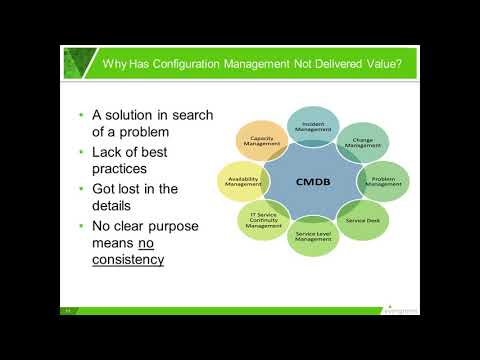
It also introduces configuration management concepts, focusing on how system configurations are controlled, monitored, and maintained across IT environments. This helps organizations reduce inconsistencies, prevent configuration drift, and improve system reliability.
You will learn how asset and configuration management work together to support IT operations, improve compliance, and ensure accurate system documentation. These processes are essential for maintaining visibility and control over complex IT infrastructures.
The course provides a simplified explanation suitable for beginners who want to understand the foundations of IT service management and infrastructure control. It highlights real-world use cases where organizations rely on structured asset tracking and configuration control to improve operational efficiency.
By the end of this course, learners will understand the basics of asset management, configuration management, and how both contribute to stable and well-managed IT environments.


