Intro to Risk Management for Engineering Professionals | Core Concepts & Applications
عدد الدروس : 1 عدد ساعات الدورة : 01:04:48 شهادة معتمدة : نعم التسجيل في الدورة للحصول على شهادةللحصول على شهادة
- 1- التسجيل
- 2- مشاهدة الكورس كاملا
- 3- متابعة نسبة اكتمال الكورس تدريجيا
- 4- بعد الانتهاء تظهر الشهادة في الملف الشخصي الخاص بك
عن الدورة
This course introduces the fundamentals of risk management specifically for engineering professionals working in technical, industrial, and project-based environments. It focuses on how risk is identified, analyzed, and controlled in engineering systems and projects.
The course begins by defining risk in an engineering context, where uncertainty can impact safety, cost, schedule, and system performance. Unlike financial risk alone, engineering risk often involves physical systems, design failures, and operational hazards.
A key focus is risk identification, where engineers systematically detect potential failures, design flaws, or external hazards that could affect project outcomes. This step is critical in ensuring safe and reliable systems.
The course also explains risk assessment, including qualitative and quantitative methods used to evaluate the likelihood and impact of risks. This helps prioritize which risks require immediate attention.
Another important topic is risk mitigation strategies, such as design improvements, redundancy, safety factors, and process controls. These techniques reduce the probability or impact of failure.
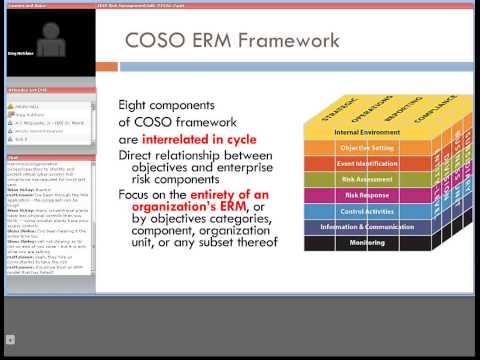
The course also introduces basic risk management frameworks used in engineering projects to ensure structured decision-making and compliance with safety standards.
By the end of this course, learners will understand how risk management supports engineering design, project execution, and operational safety across different industries.


